What Is That Curtain Hanging at Japanese Restaurants? The Surprising History of the Noren
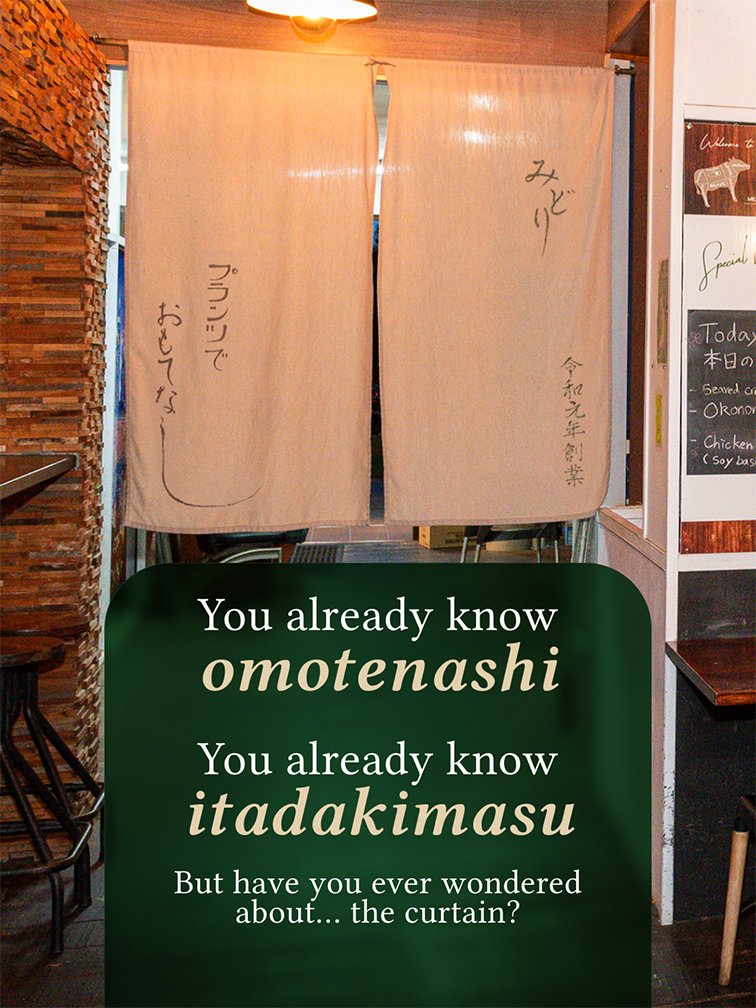
You’ve probably walked past one without thinking twice. A short fabric curtain, hanging at the entrance of a Japanese restaurant, split down the middle so you can walk straight through it.
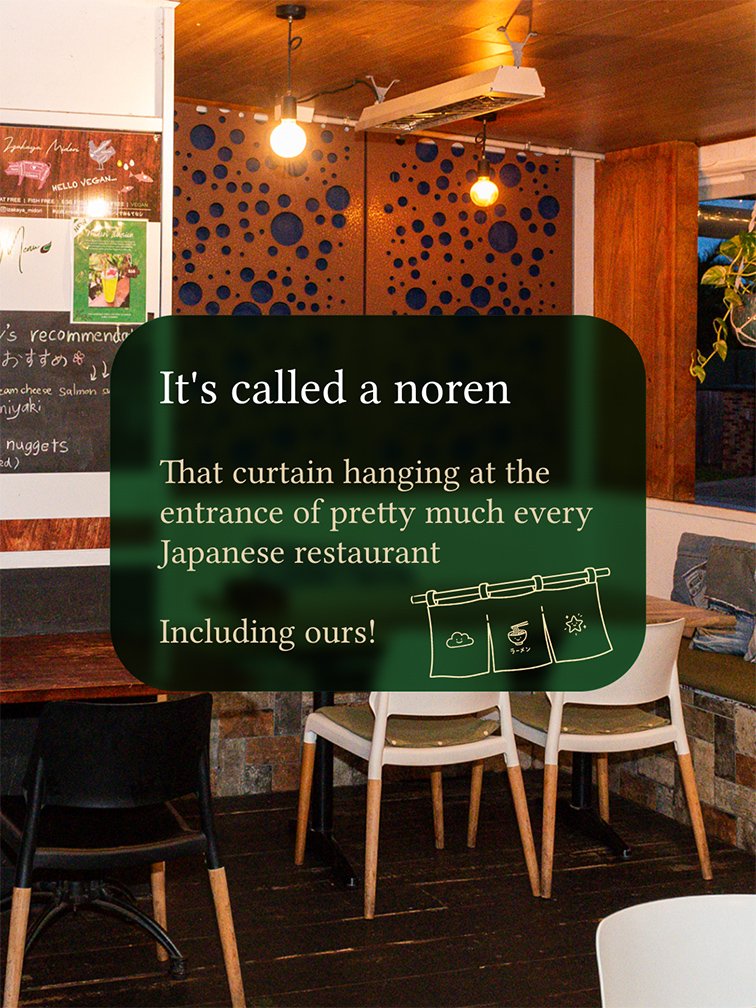
Actually, people call it a noren (暖簾), and it has been quietly doing its job for almost a thousand years.
Why Do Japanese Restaurants Have Curtains at the Entrance?
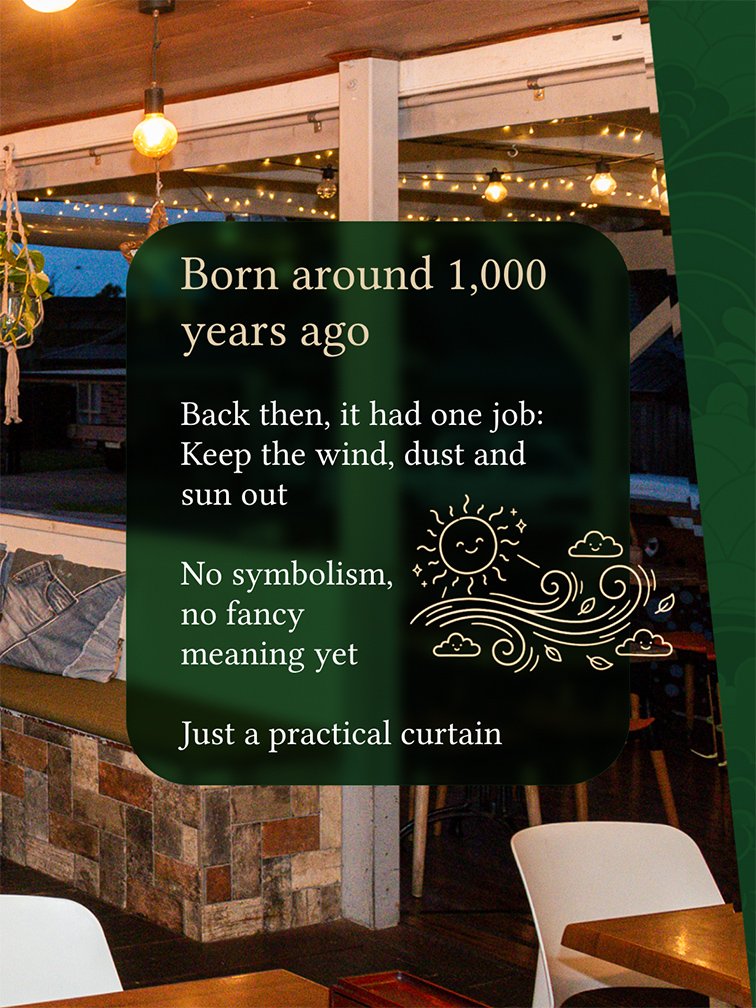
Historians believe that noren first appeared during the Heian Period (between 794 and 1185). Originally, people used them to keep homes cool in summer and warm in winter. Long before they meant anything symbolic, they were simply practical — keeping out wind, dust, and the outside weather.
Over time, shopkeepers realised the curtain could do more than block the wind. Gradually, businesses started using them to guard entrances from dust, dirt, bad smells, and smoke. Eventually, somewhere along the way, someone had the brilliant idea to put the shop’s name on it.
Without a doubt, that one small decision changed everything.
The Curtain That Became a Business Card
During the Edo period, merchants began adding store names and family crests to their noren, turning the curtain into a powerful symbol of credibility and reputation. It wasn’t just decoration anymore. It was identity.
Furthermore, different colours even meant different things: yellow-brown for tobacco shops and florists, blue for kimono merchants, and red-orange for geisha quarters. A noren told you exactly what kind of place you were walking into before you ever stepped inside.
And wonderfully, it still does today. In contemporary terms, the noren came to represent a business’s brand value. For instance, to “damage” the noren means to harm a company’s reputation. The phrase completely outlived the fabric itself.
Why a Dirty Noren Was Actually a Good Sign
Interestingly, here’s the part that surprises most people.
During the Edo period, locals said that the noren outside sushi shops signified how good the sushi was. Specifically, the dirtier the curtain, the more authentic the shop.
Back then, vendors sold sushi as street food, which people ate quickly while standing up. Customers would wipe their fingers on the curtain on their way out, since wet towels weren’t yet common.
Therefore, a dirty noren wasn’t a sign of neglect. Instead, it served as visible proof that the place was busy enough and good enough for hundreds of satisfied hands to pass through it.
How a Curtain Tells You If a Japanese Restaurant Is Open
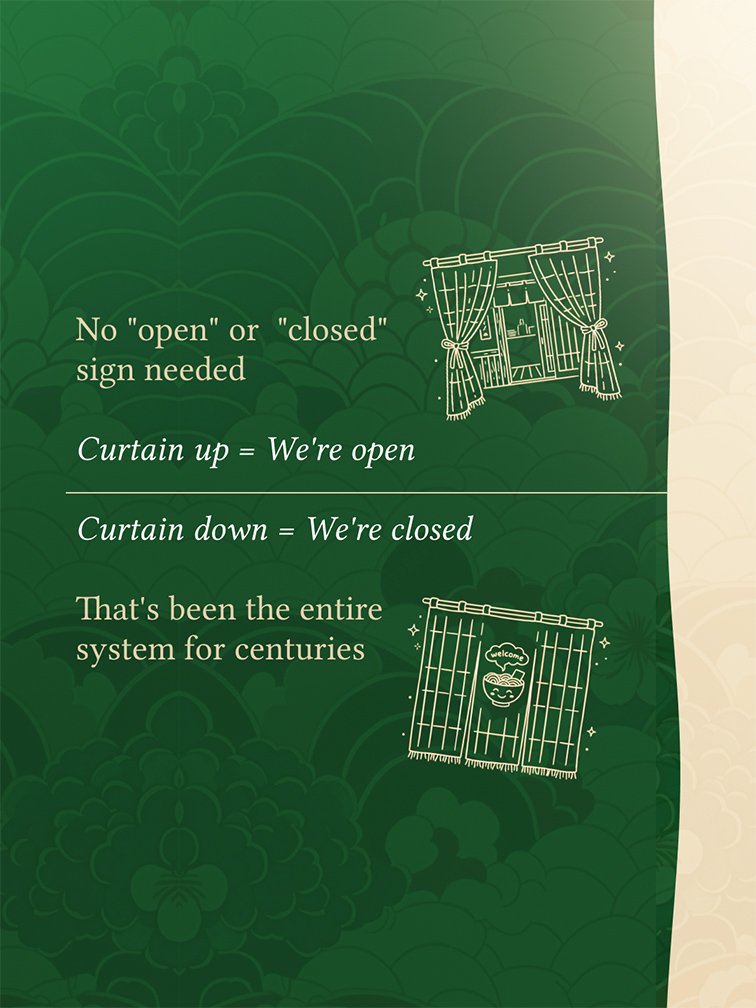
Even today, you can tell if a shop is open or closed just by looking at its noren.
When owners hang it at the entrance, the shop is in business. Conversely, when there’s nothing hung outside, it means the shop is closed.
They need no extra signage. No flipping a sign from “open” to “closed.” Just fabric, which the staff takes down at the end of the day and hangs again the next morning.
Ultimately, it is a beautiful, small ritual repeated for centuries in front of nearly every shop and restaurant in Japan.
More Than a Restaurant Feature
People often describe a shop with a long history by saying its “noren is old.” Essentially, this is a quiet way of saying the business has successfully stood the test of time. The curtain becomes a kind of timeline, hanging there through decades of customers walking beneath it.
So, the next time you see a noren at an izakaya, a ramen-ya, or tucked into the entrance of a Japanese restaurant near you, you’re not just looking at a curtain.
Actually, you are looking at centuries of reputation, care, and the quiet promise that someone is on the other side, ready to welcome you in. 🌿
Finally, the next time you visit Izakaya Midori in Reedy Creek, Gold Coast, take a second look at what’s hanging by the door. It has been saying “welcome” long before we ever did.