The Sacred Bridge: Why Chopsticks Mean More Than You Think
There’s a moment that happens at our tables every day. Someone picks up their chopsticks, pauses, and says “itadakimasu.” Maybe they learnt it from travelling through Japan. Maybe they just picked it up from being around Japanese culture. But do you know what that moment really means?
We came across something recently that stopped us in our tracks, and it felt too beautiful not to share with you properly here on the blog.
Hashi: The Word That Connects Everything
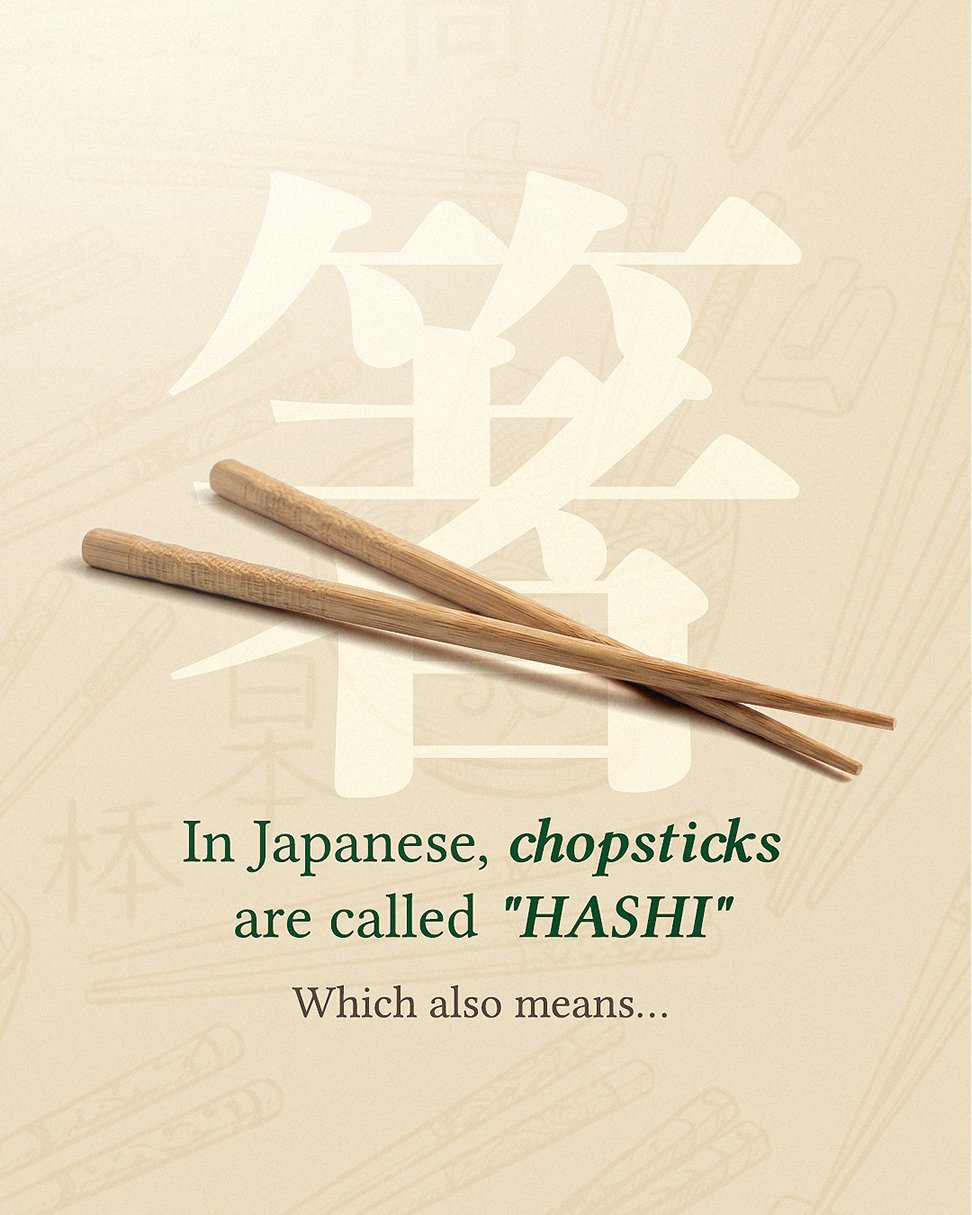
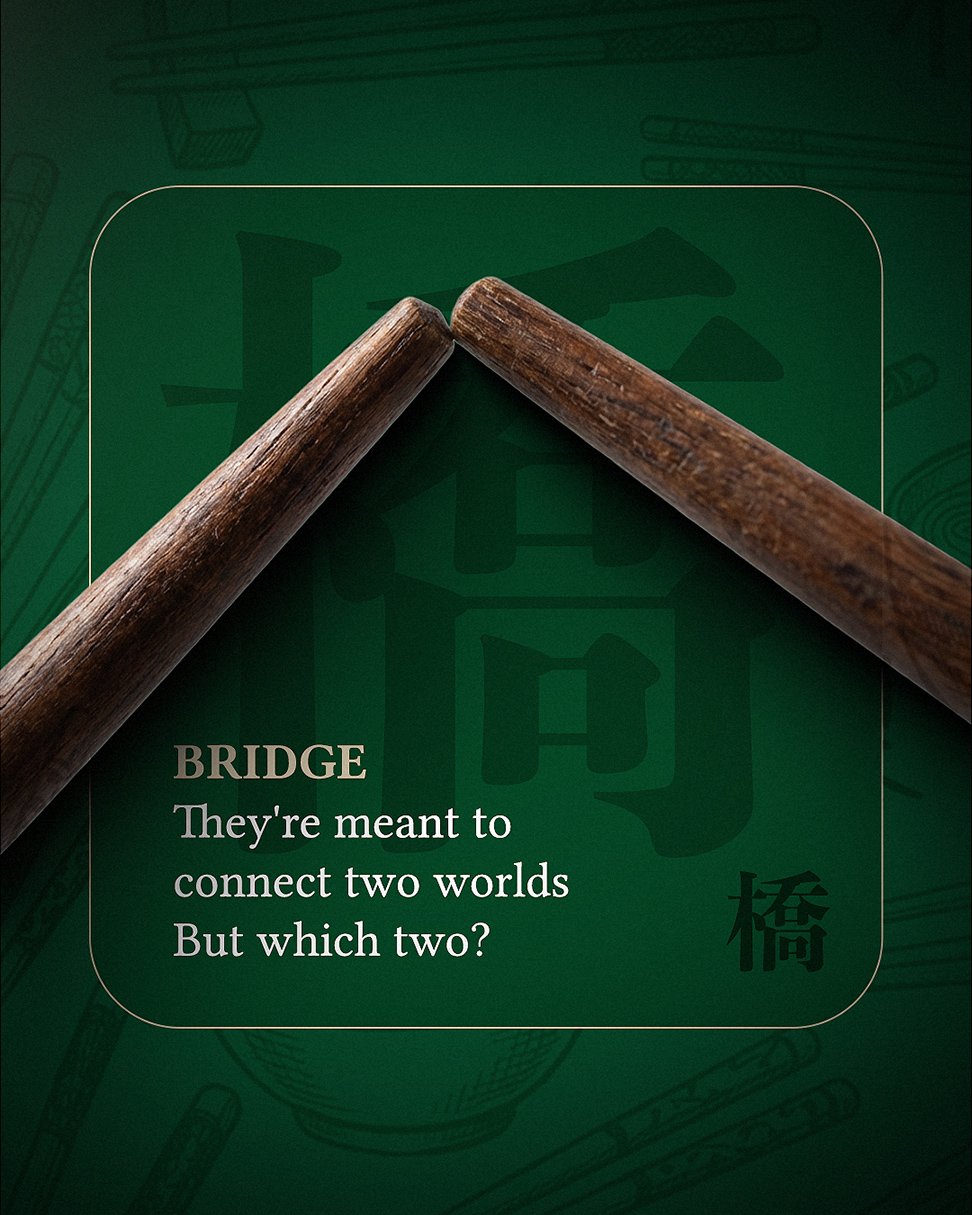
In Japanese, chopsticks are called “hashi” (箸). But here’s the thing: “hashi” also means bridge (橋). Same pronunciation, different kanji, but deeply connected in meaning.
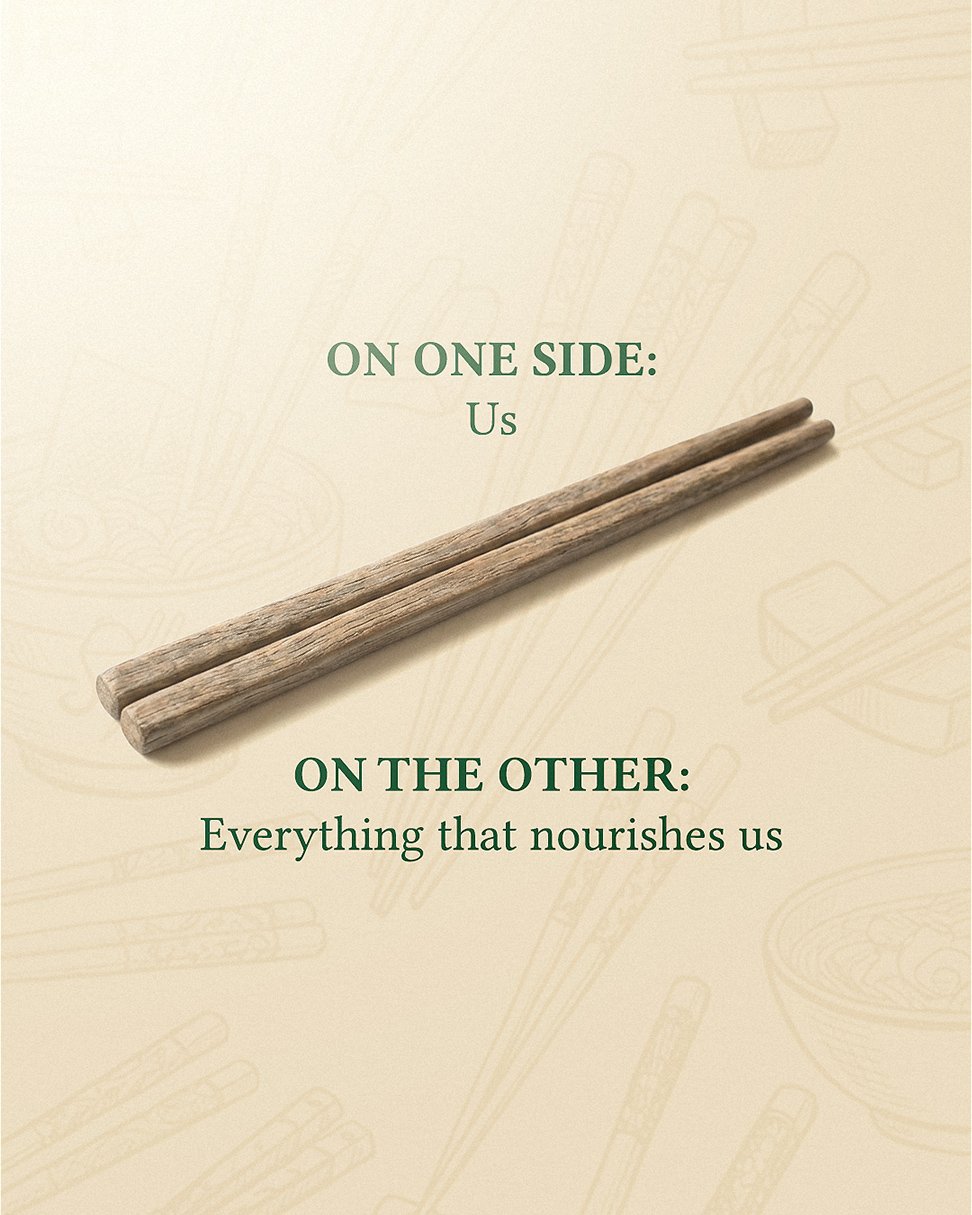
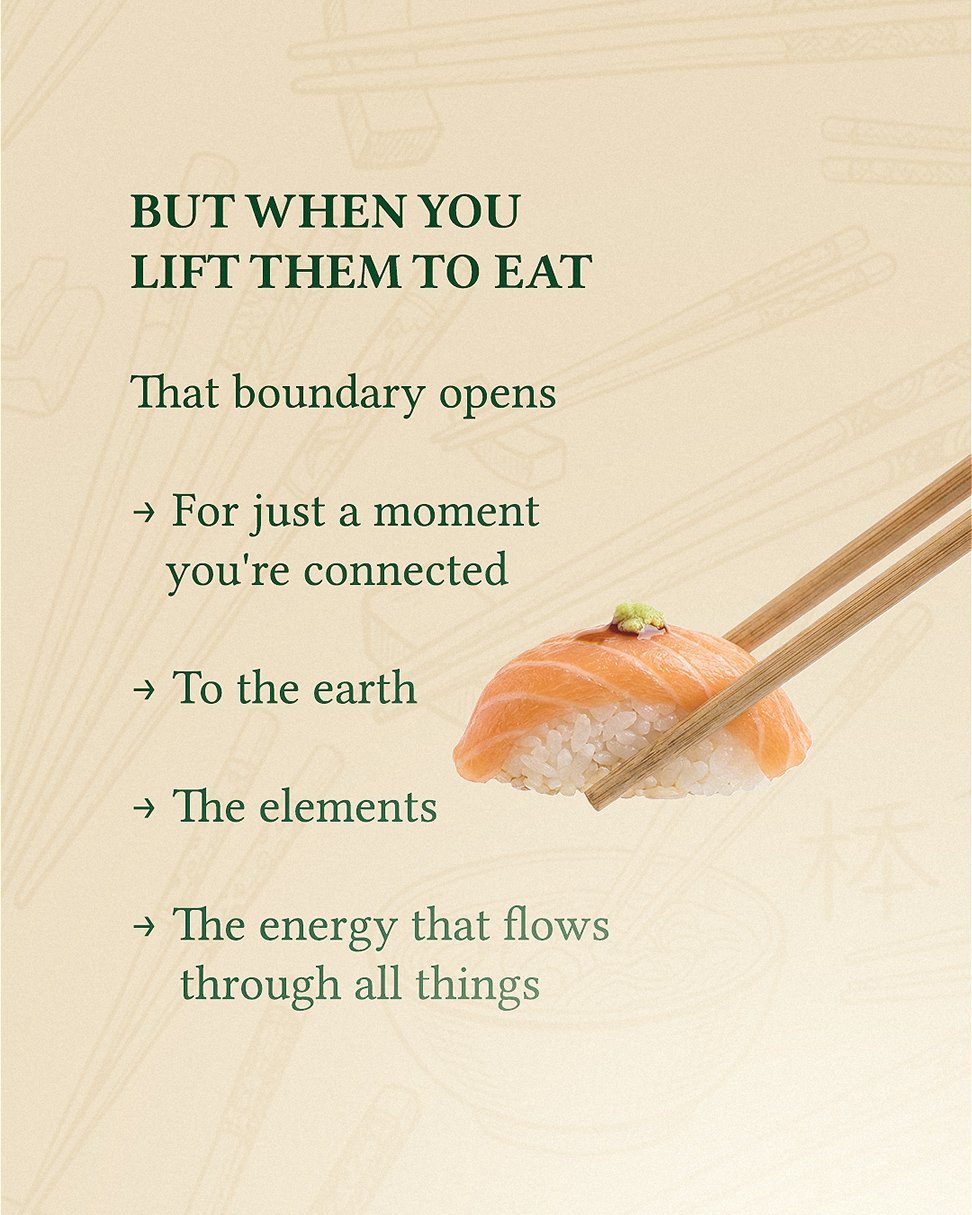
It’s not a coincidence. Chopsticks were always meant to be bridges. Tools that connect two worlds: us, and everything that nourishes us. The earth that grows our food. The rain that waters it. The sun that feeds it. The hands that harvest and prepare it. The energy that flows through all living things.
When you think about it like that, eating becomes something else entirely, doesn’t it?
The Torii Gate On Your Table
There’s another layer to this that absolutely fascinated us.
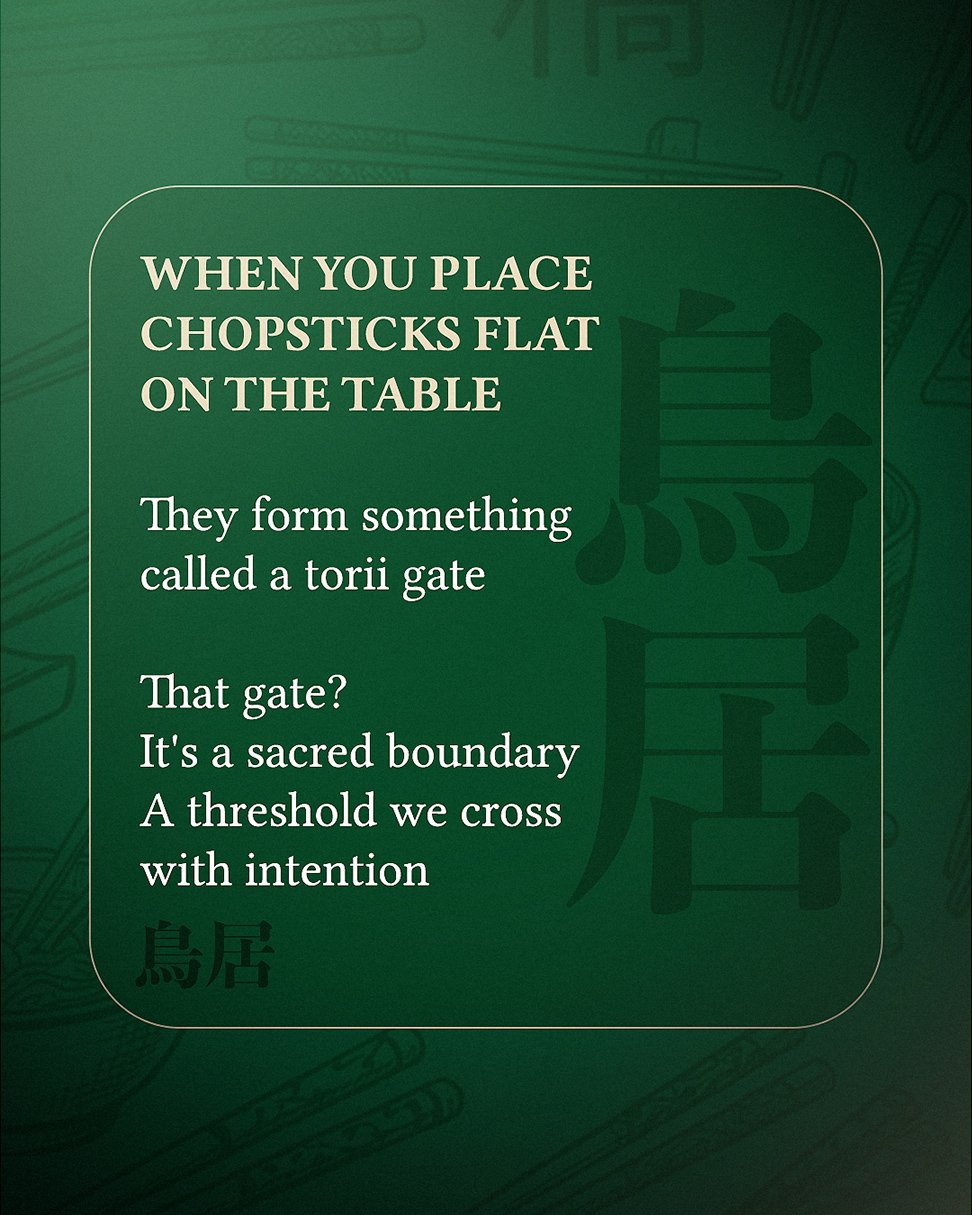
When you place chopsticks horizontally across your bowl or plate (the way they rest before a meal) they form what’s called a torii gate (鳥居). You’ve probably seen these iconic gates at the entrance of Japanese shrines. They mark the transition from the ordinary world to the sacred.
That’s what your chopsticks are doing on your table. Creating a sacred boundary. A threshold.
And when you lift them to eat? That gate opens. The boundary dissolves. For that meal, for those moments, you’re crossing into something sacred. You’re in direct connection with everything that sustains you.
It’s a ritual that’s been carried through thousands of years. Not because it’s trendy or aesthetic (though it certainly is both), but because it holds meaning.
Itadakimasu: More Than Bon Appétit
This is why “itadakimasu” (いただきます) isn’t just the Japanese version of “bon appétit.”
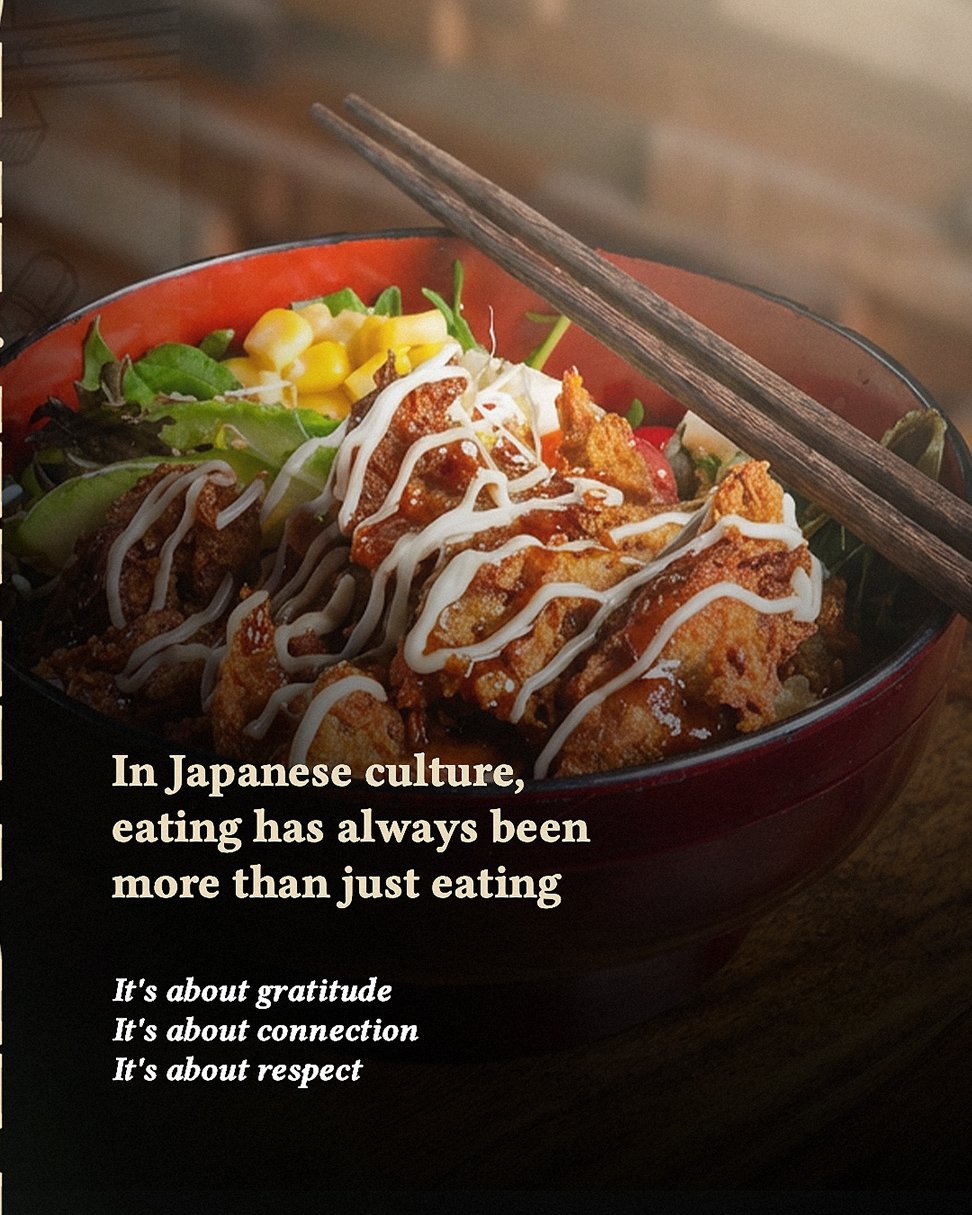
It literally translates to “I humbly receive.” It’s an acknowledgment. A moment of gratitude before the first bite. You’re saying: I see the gift in this. I recognise everything that brought this food to my plate. I receive it with respect and thanks.
In a world that moves as fast as ours does, that pause feels radical, doesn’t it? To stop. To acknowledge. To be grateful.
At Japanese tables, it’s not optional. It’s woven into the fabric of the meal itself. Children learn it before they learn to use chopsticks properly. It’s muscle memory. Cultural DNA.
And at the end of the meal? “Gochisousama deshita” (ごちそうさまでした) — “thank you for the feast.” Even if you cooked it yourself. Even if it was just a simple bowl of rice. The gratitude remains.
Why This Matters To Us At Midori
When we opened Izakaya Midori, we knew we wanted to bring authentic Japanese izakaya culture to Gold Coast. The sharing plates, the relaxed atmosphere, the “come as you are” energy.
But more than that, we wanted to honour this deeper philosophy. This idea that food is sacred. That eating is an act of connection and gratitude.
Being plant-based isn’t just an ethical choice for us. It’s also an extension of this respect. We’re in direct conversation with the earth — the soil, the seasons, the ingredients that grow from them. Every dish we create is our way of saying “we see you, we respect you, we’re grateful.”
When you say “itadakimasu” at our table, you’re not just participating in a cultural tradition. You’re joining a practice of reverence that stretches back centuries. You’re part of something bigger.
The Art of Slowing Down
In Japanese culture, there’s a concept called “omotenashi” (おもてなし) — hospitality that comes from the heart, with no expectation of anything in return. It’s about anticipating needs, creating comfort, making people feel seen.
That’s what we try to bring to every meal at Midori. Not just good food (though we work bloody hard on that), but an experience. A moment where you can slow down, be present, and connect — with your mates, with your food, with yourself.
The chopsticks in your hand? They’re part of that. A reminder that this isn’t just fuel. It’s nourishment in every sense of the word.
So next time you’re at Midori — or anywhere, really — and you pick up your chopsticks, take a second. Feel the weight of them. Notice how they rest on the table, forming that little gate. Think about what they’re bridging. Think about the journey your food took to get to you.
And then, if it feels right, say it with us: “Itadakimasu.” I humbly receive this.
Thanks for being here. For trusting us with your meals and your moments. For being part of our izakaya family.
It means more than you know. 💚
P.S. If you’ve made it this far, we’d love to know — do you have any food rituals or moments of gratitude in your own culture? Drop us a comment or tag us on Instagram. We love learning from you.