
5 Simple Ways to Get More From Your Tofu

Tofu is one of those ingredients that can behave completely differently depending on what you do with it.

For instance, if you freeze it, the texture changes. When you press it, it becomes easier to crisp. By coating it with starch, you get a completely different exterior. On the other hand, if you leave silken tofu alone, you get that soft, delicate texture that’s perfect for soups and cold dishes.

Interestingly, you don’t need complicated techniques or special equipment. In fact, a few small changes in the way you prepare your tofu can make a surprisingly big difference.

Therefore, here are five simple tofu tricks worth knowing.

1. Freeze Your Tofu for a Firmer, Chewier Texture

Yes, you can freeze tofu on purpose. And if you’ve never tried it before, the difference might really surprise you.

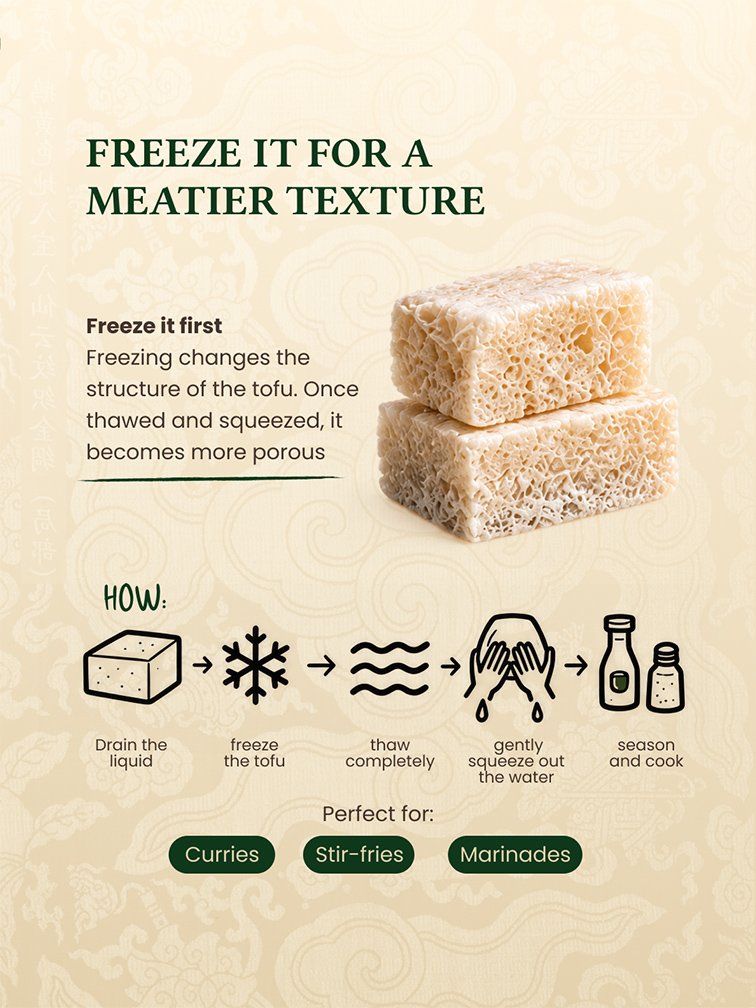
When you freeze tofu, the water inside forms ice crystals. As those crystals expand, they completely change the internal structure of the tofu. Once you thaw it completely and gently squeeze out the excess water, you’ll notice that the tofu has become firmer, chewier, and much more porous.

Ultimately, those little spaces are particularly useful when you cook something with plenty of flavour, because the tofu can soak up sauces and marinades beautifully.

How to do it:

  1. Drain the liquid from the package, and then freeze the tofu.
  2. When you’re ready to use it, let it thaw completely.
  3. Gently squeeze or press out the excess water.
  4. Finally, season, marinate, and cook as you normally would.

(Freeze β†’ Thaw β†’ Squeeze β†’ Season β†’ Cook)

Specifically, this technique works wonderfully well for curries, stir-fries, and dishes where you want a heartier tofu texture.

2. Don’t Press Every Type of Tofu

You’ve probably heard the common advice: β€œAlways press your tofu.”

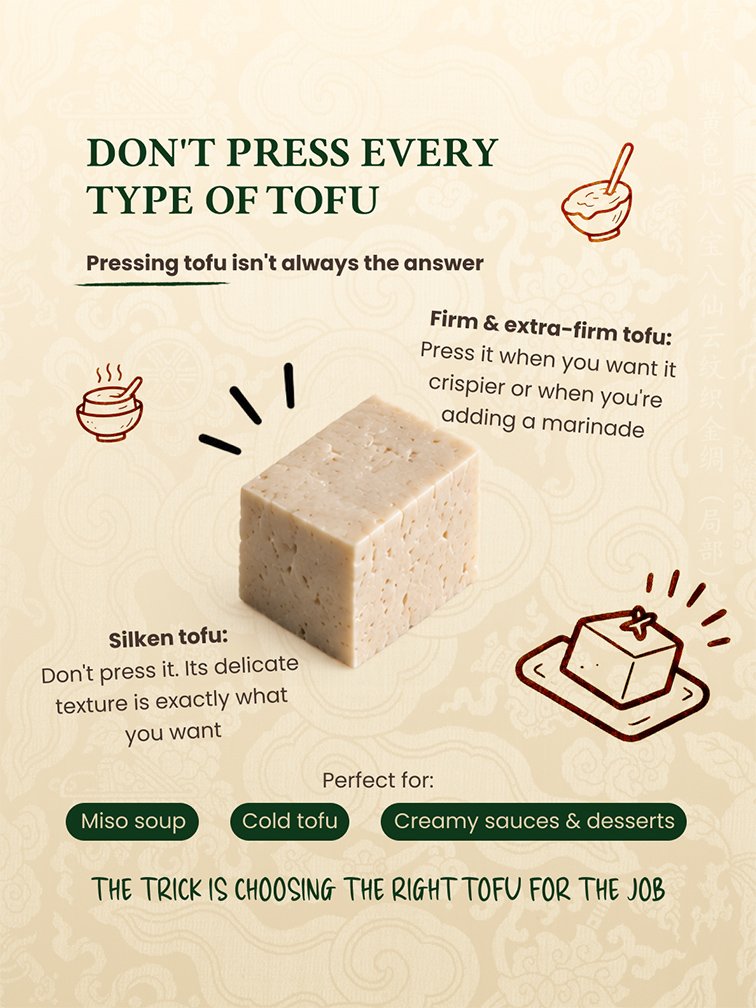
However, that’s not necessarily true. Whether you should press tofu depends strictly on the type you’re using and what you’re making.

Firm and extra-firm tofu:
Pressing removes some of the excess moisture. Consequently, that’s useful when you want the tofu to develop a crispier exterior or when you’re preparing it for a marinade.

Silken tofu:
Put the tofu press away. Silken tofu should remain soft, smooth, and delicate. Actually, pressing it would destroy the very texture that makes it special. It is ideal for things like miso soup, hiyayakko (Japanese chilled tofu), creamy sauces, dressings, and desserts.

So, rather than automatically pressing every block of tofu, ask yourself: What texture am I trying to achieve? Undoubtedly, the answer will tell you what to do next.

3. Want Crispy Tofu? Get Rid of the Surface Moisture

If crispy tofu is your goal, moisture is one of the first things you need to think about.

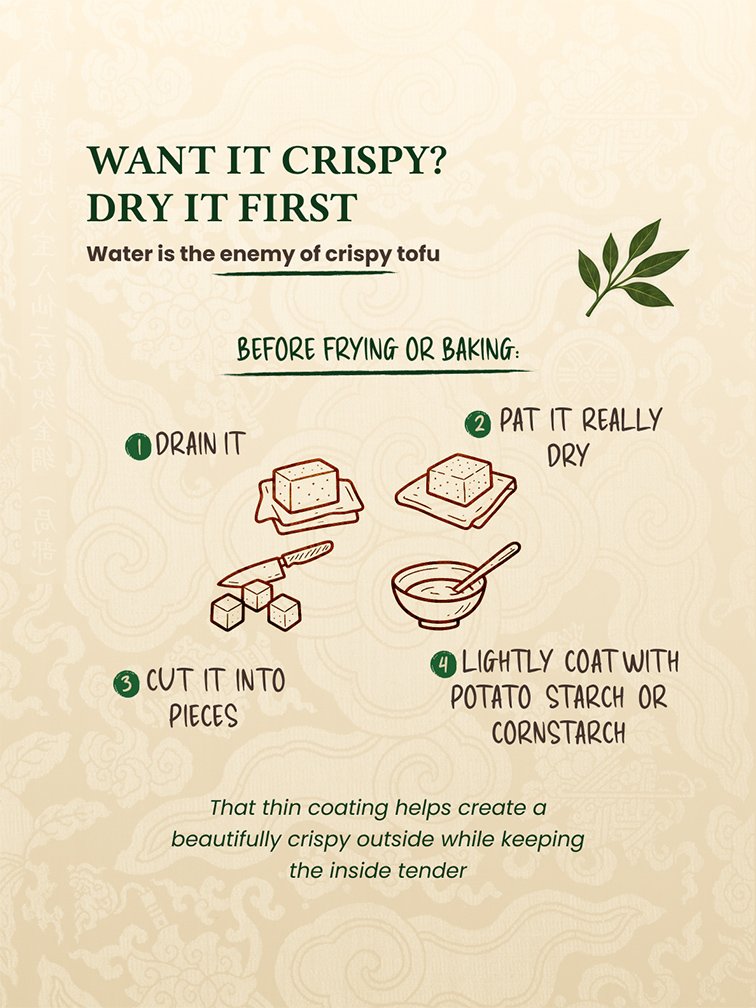
Basically, a wet surface makes browning and crisping much more difficult. Fortunately, the solution is incredibly simple. Drain your tofu, pat it thoroughly dry, and cut it into your preferred shape. Then, lightly coat the pieces with potato starch or cornstarch before cooking.

Ultimately, that thin layer of starch helps create a crisp exterior while the inside stays wonderfully tender.

Β 

The simple method:

  1. First, drain the tofu;
  2. Next, pat it really dry;
  3. Cut it into pieces;
  4. Then, lightly coat it with potato starch or cornstarch;
  5. Finally, cook until crisp.

Specifically, potato starch is particularly useful if you are after that light, crisp coating commonly found in Japanese cooking.

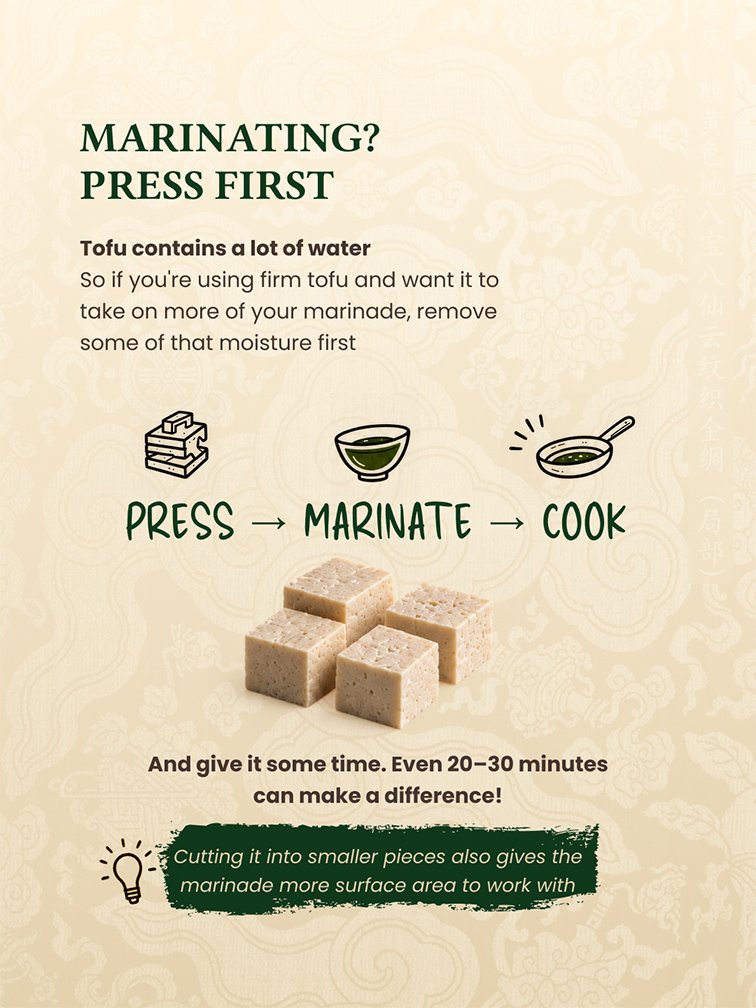
4. Marinating Tofu? Press It First

Tofu naturally contains a lot of water.

Therefore, if you’re working with firm or extra-firm tofu, removing some of that moisture before marinating can help create room for your delicious marinade.

The basic idea is: Press β†’ Marinate β†’ Cook

Furthermore, you don’t necessarily need to leave the tofu sitting in the marinade all day. Even 20–30 minutes can add incredible flavour, especially when you cut the tofu into smaller pieces.

Why? Because more pieces mean more exposed surface area for your marinade to come into contact with. And if you used the freezing technique from our first tip, you’ll get an even more porous texture that’s particularly good at soaking up sauces.

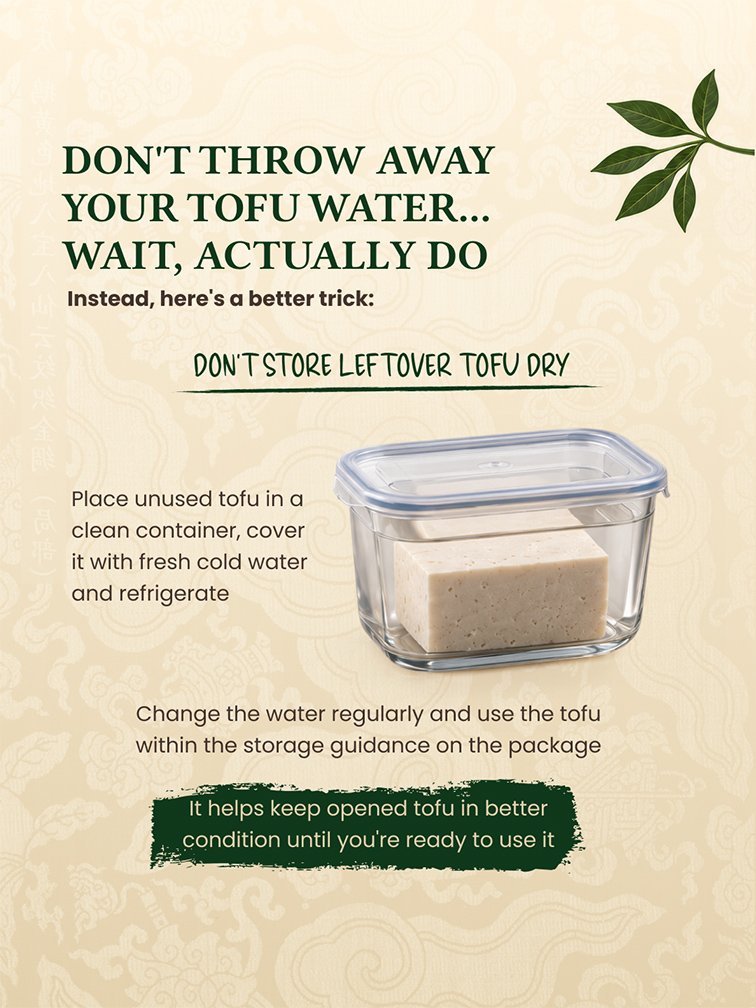
5. Don’t Store Leftover Tofu Dry

Opened a package but only used half? Do not simply leave the remaining tofu exposed in the fridge.

Instead, place it in a clean container and cover it completely with fresh cold water before refrigerating. Make sure you change the water regularly and always follow the storage instructions and use-by guidance on the original package.

Overall, it’s a simple habit that helps keep opened tofu in better condition until you’re ready to use the rest. And considering how versatile tofu is, finding something to do with that other half shouldn’t be too difficult!

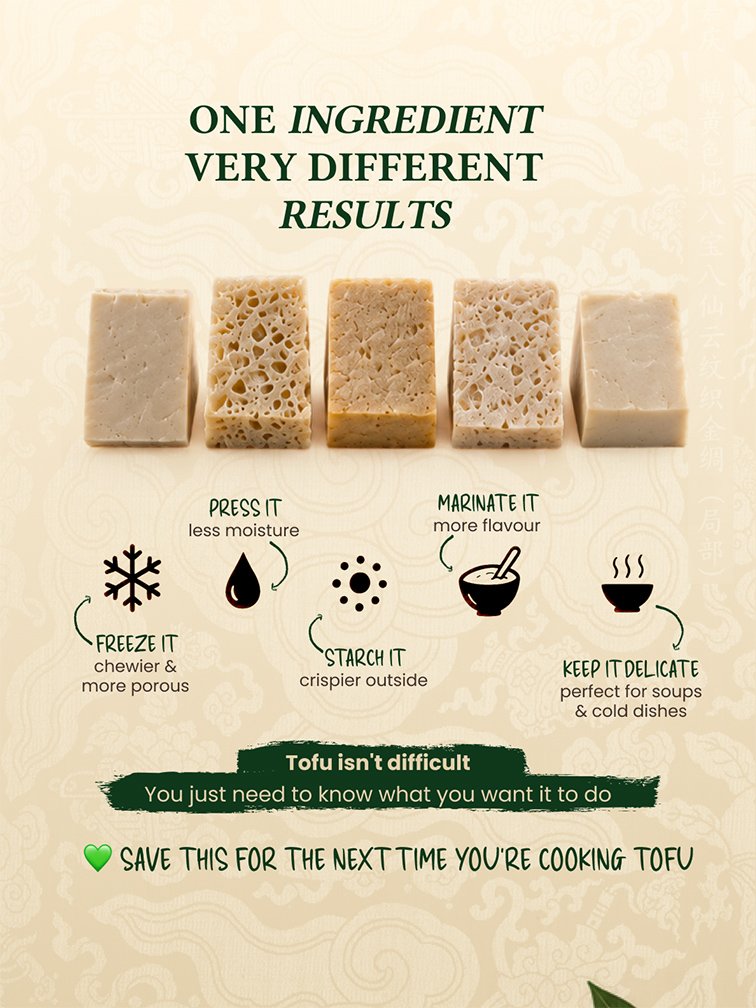
Same Tofu, Completely Different Possibilities

In conclusion, that’s one of the things we love most about tofu. It doesn’t have to behave the same way every time you cook it.

Want something chewier? Freeze it.

Want less moisture? Press it.

Want a crispier exterior? Dry it and add a little starch.

Want more flavour? Marinate it.

Want something beautifully soft and delicate? Leave your silken tofu alone.

Once you understand how tofu responds to a few basic techniques, it becomes much easier to choose the right preparation for the exact result you want.

And sometimes, that is all good cooking really needs. Not more ingredients. Just a better understanding of the ones you already have.

🌿 The Midori Journal β€” Stories inspired by Japanese culture, mindful eating, and slow living. Sharing simple recipes, useful kitchen tips, and everyday discoveries that bring a little more Japan into your home.
πŸ“± Mobile (Text or Call): +61 480 416 307