
Beyond White and Red: Other Miso Types You Should Know
G'day, friends!
So, you read our first miso guide, grabbed a jar of white or red miso from the shops, and started experimenting in the kitchen. Brilliant.
However, someone eventually asked: “What about yellow miso?”
And that’s when you realised — there’s more to the miso world than just white and red, isn’t there? Turns out, yeah. There’s quite a bit more.
In fact, Japan has been fermenting miso for over a thousand years, and in that time, they’ve developed dozens of regional varieties. Each one comes with its own flavour profile, fermentation time, and best uses in the kitchen.
We can’t cover all of them (we’d be here all day), but let’s talk about the main ones you’re likely to come across — and more importantly, what to actually do with them.
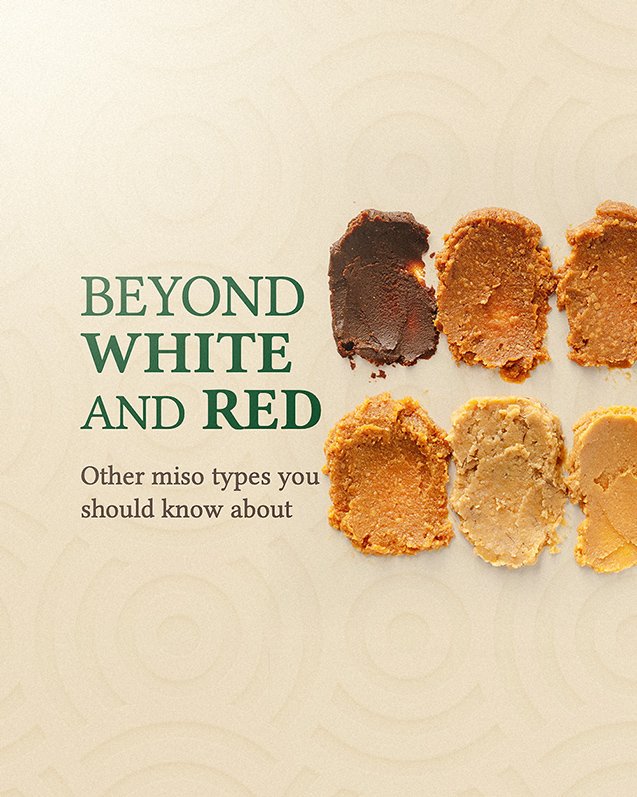
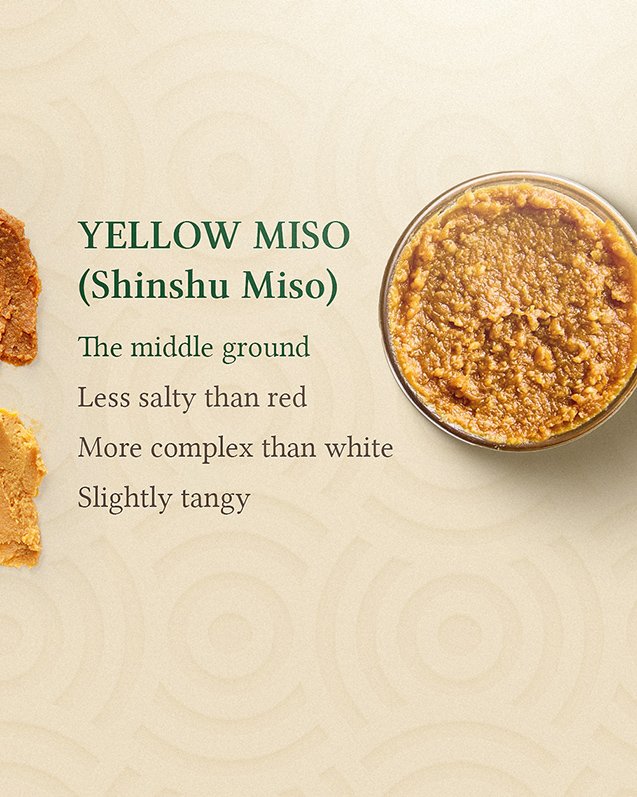
Yellow Miso (Shinshu Miso) – The Goldilocks Option
Let’s start with the one you asked about: Yellow Miso.
If white miso is gentle and red miso is intense, yellow miso is right in the middle. Not too mild, not too strong. Just right.
It has a colour that ranges from pale yellow to light brown. Additionally, it is fermented longer than white miso but not as long as red. The result? A flavour that’s more complex than white miso, yet less salty and aggressive than red.
There’s a slight tanginess to it — almost like a very mild vinegar note — that makes it really versatile in cooking.
Where yellow miso shines:
Yellow miso is your all-purpose player. Basically, it works in most situations where you’re not sure which miso to use.
Marinades: The tang cuts through richness beautifully. For instance, try it on grilled eggplant, mushrooms, or tofu.
Dressings: Mix it with rice vinegar, sesame oil, and a touch of maple syrup. Works perfectly on grain bowls, noodle salads, and roasted veg.
Soups and broths: It has more character than white miso, but is less overpowering than red. Perfect for miso soup when you want a bit more depth.
In short, think of yellow miso as your reliable mate. Not flashy, but always delivers.
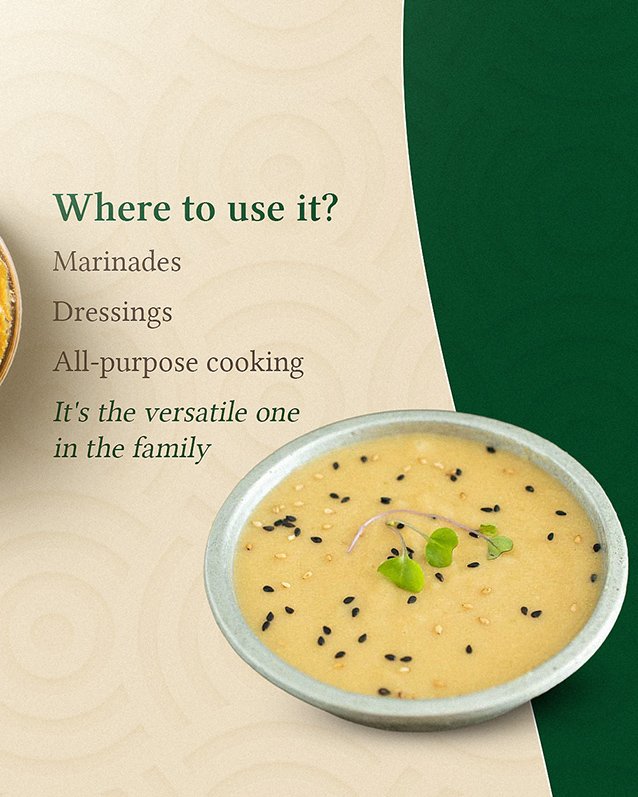
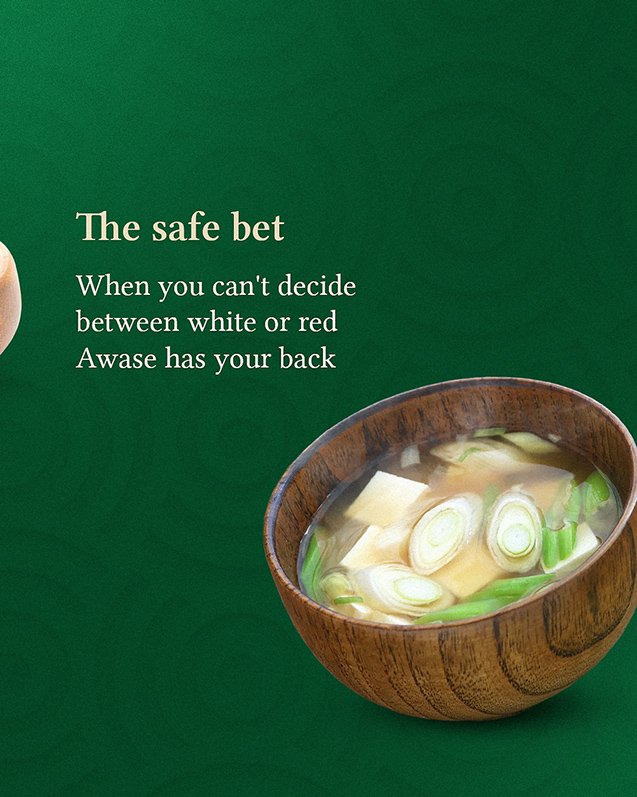
Awase Miso (Mixed Miso) – The Team Player
Here’s where it gets interesting.
Awase miso isn’t a specific fermentation style — it’s literally a blend of two or more types of miso. Usually, it is a mix of white and red, although sometimes yellow gets thrown in the mix too.
The colour? A warm bronze. The flavour? Balanced. You get the sweetness of white miso and the depth of red miso, without either one taking over.
Consequently, Japanese home cooks love awase miso because it’s forgiving. Can’t decide which miso to use? Grab awase. Not sure if white or red would work better? Awase has you covered.
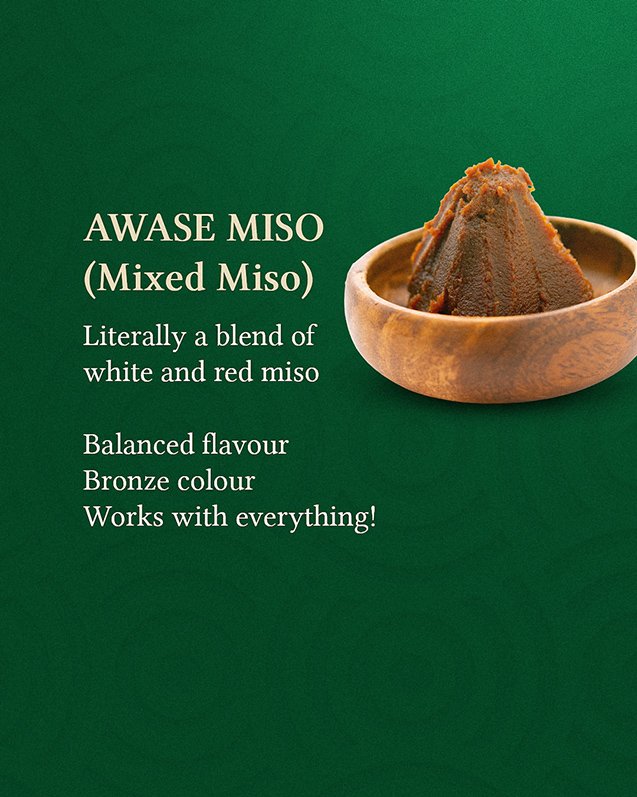
Where awase miso shines:
Honestly? Everywhere!
Everyday miso soup: This is what most Japanese households use. Balanced, reliable, and doesn’t require overthinking.
Stir-fries and sauces: Works beautifully when you want miso flavour without dominating the dish.
When you’re experimenting: If you’re trying a new recipe and it just says “miso,” awase is your safest bet.
It’s the Swiss Army knife of miso. Not the most exciting choice, but incredibly practical.
Barley Miso (Mugi Miso) – The Unique One
Now, we’re getting into the really interesting stuff.
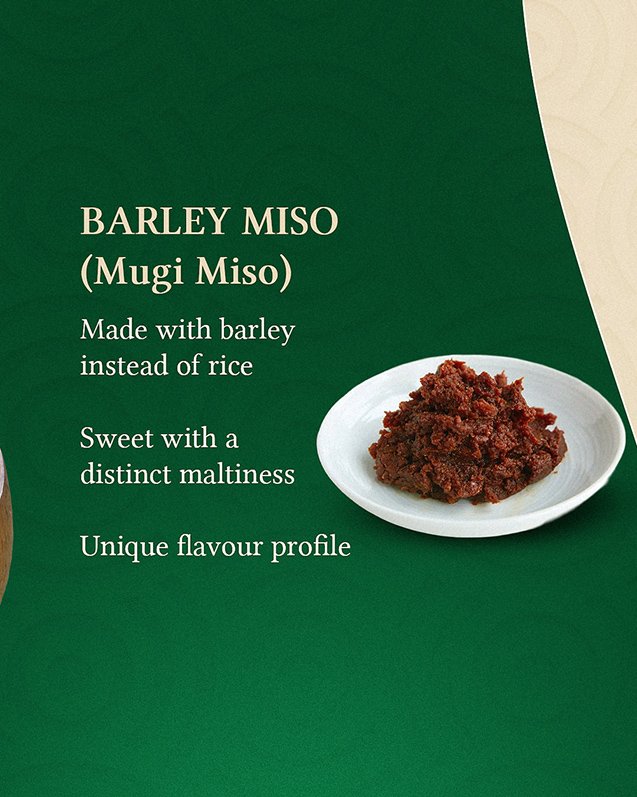
Most miso is made with rice as the grain component. However, Barley Miso swaps rice for barley, and that changes everything.
The flavour? Sweet, but with this distinct maltiness that you don’t get from rice-based miso. It’s earthy, a bit rustic, and has a funkiness that some people absolutely love.
Furthermore, the colour tends to be darker — anywhere from deep yellow to reddish-brown — and the texture is often a bit coarser than rice-based miso. Barley miso is particularly popular in southern Japan, especially Kyushu. It’s got a loyal following among people who grew up with it, but it can be a bit polarising if you’re not used to it.
Where barley miso shines:
This one’s for when you want something different. Specifically, when white, red, and yellow miso all feel a bit predictable.
Hearty soups and stews: The maltiness stands up to bigger, bolder flavours. Think root vegetables, mushrooms, and winter cooking.
Glazes for roasted vegetables: That sweetness and funk work beautifully on roasted sweet potato, pumpkin, or carrots.
Experimental cooking: If you’re the type who likes trying new flavours and pushing boundaries, barley miso is your friend.
Fair warning: It’s not for everyone. Some people taste it and think “this is amazing.” Others think “this is weird.” There’s not much middle ground.
Hatcho Miso – The Intense One
Right, let’s talk about the heavyweight champion of the miso world.
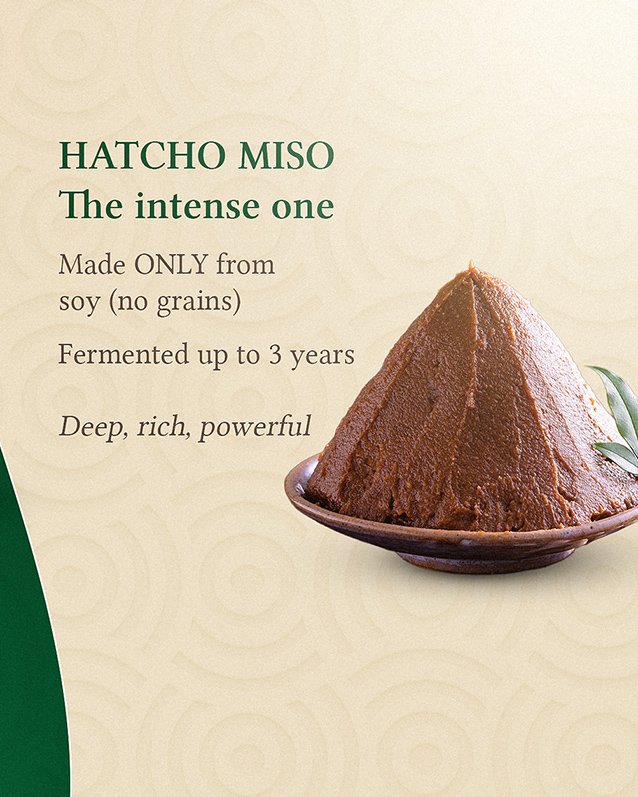
Hatcho miso is made entirely from soybeans. No rice, no barley, no other grains. Just soy, salt, koji, time, and patience. Remarkably, it is fermented for up to three years (sometimes longer).
The result? A miso that’s dark, dense, intensely savoury, and almost meaty in its richness. The colour is a deep reddish-brown, almost black. The flavour is powerful — earthy, complex, with layers you keep discovering.
Therefore, this isn’t a miso you use lightly. A little goes a very long way. Hatcho miso comes from the Aichi region of Japan and has been made the same way for centuries. It’s traditional, it’s serious, and it doesn’t mess around.
Where hatcho miso shines:
Use hatcho miso when you want depth. When you want complexity. In other words, when you want people to taste your food and think “what IS that flavour?”
Rich, hearty dishes: Stews, braises, slow-cooked things. Hatcho miso can handle long cooking times without losing its character.
Bold sauces: Mix a tiny bit into tomato-based sauces, barbecue glazes, or anywhere you want a deep umami punch.
When you’re feeling adventurous: This is not beginner miso. This is for when you know what you’re doing and you want to go big.
Important: Start with way less than you think you need. Hatcho miso is strong. You can always add more, but you can’t take it back.
So, Which Miso Should You Use?
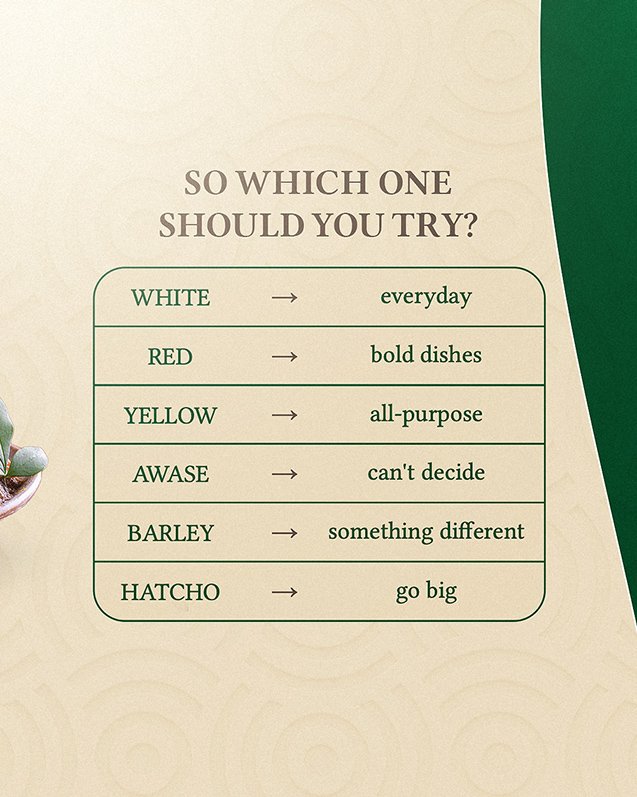
Here’s the honest answer: it depends. But here’s a quick guide to help you choose:
WHITE MISO: Everyday cooking, delicate dishes, when you want subtle umami.
RED MISO: Bold dishes, marinades, when you want intensity.
YELLOW MISO: All-purpose, when you can’t decide, reliable middle ground.
AWASE MISO: Jack of all trades, everyday miso soup, safe bet.
BARLEY MISO: When you want something different, earthy flavours, experimental cooking.
HATCHO MISO: Deep complexity, rich dishes, when you want to make a statement.
The truth is, once you start exploring the miso world, you’ll develop your own preferences. Some people swear by white miso for everything. Others, however, keep three or four types in their fridge and switch depending on mood.
There’s no wrong answer. Just different tools for different jobs.
A Note Regarding availability:
White and red miso? You’ll find those at most supermarkets now.
Yellow and awase miso? Hit or miss at regular shops, but most Asian grocers will have them.
Barley and hatcho miso? You’ll probably need to go to a specialised Japanese grocer or order online. They’re less common but worth seeking out if you’re curious.
Start with what you can find. Experiment. Taste. See what speaks to you.
Start Exploring!
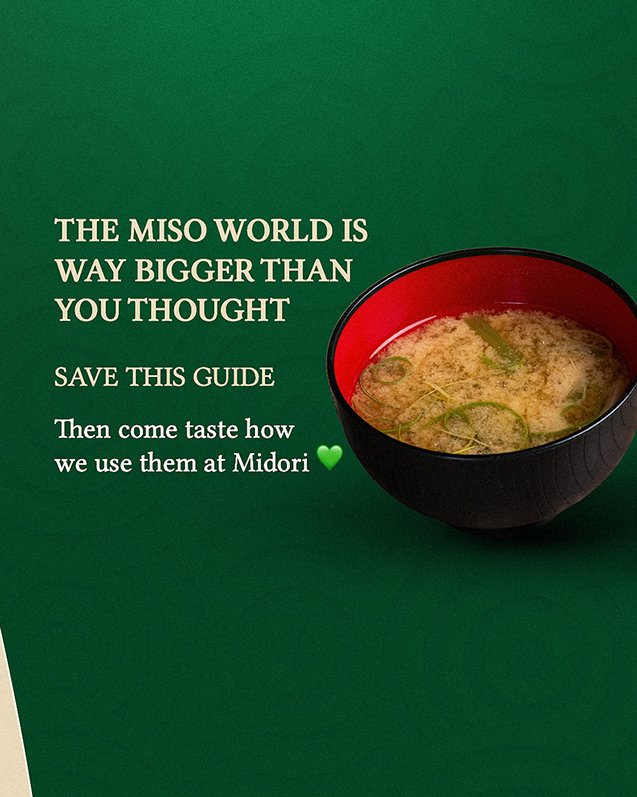
Ultimately, the miso world is way bigger than most people realise. White and red are just the entry point.
If you’re curious, grab a jar of yellow or awase next time you’re at an Asian grocer. Try it. Compare it to the white or red you’ve been using. Notice the differences.
And if you’re feeling adventurous? Track down some barley or hatcho miso. Approach them with respect (especially hatcho — seriously, that stuff is strong), and see what they add to your cooking.
Or, if you’d rather experience miso in action first, come to Midori. We choose our miso thoughtfully for each dish — sometimes the best way to understand an ingredient is to taste it prepared properly.
Arigatou gozaimasu 💚
The Midori Team
P.S. Got questions about miso? Curious about which type to try first? Hit us up on Instagram. We love nerding out about this stuff! ☺
📱 Mobile (Text or Call): +61 480 416 307