Japan is not only famous for its beautiful landscapes and culture, but also for foods that are packed with nutrients and wellness benefits. Incorporating these superfoods into your daily routine can be delicious, easy, and surprisingly fun!
Here are some of Japan’s most famous superfoods and why they’re worth trying:
1. Natto (納豆 / natto)
Natto is fermented soybeans, famous for its strong flavour and sticky texture.
Health benefits: Packed with protein, vitamin K2, and probiotics that support gut health and bone strength.
How to enjoy: Traditionally eaten with rice for breakfast, but you can also add it to salads or wraps.
Fun fact: Its strong smell can be intimidating at first, but many people grow to love it!
2. Matcha (抹茶 / matcha)
Matcha is finely ground powdered green tea, widely used in drinks and desserts.
Health benefits: Rich in antioxidants (especially catechins), boosts metabolism, and provides sustained energy.
How to enjoy: Whisked with hot water, added to lattes, smoothies, or even vegan desserts.
Fun fact: Ceremonial matcha is a mindful experience, blending taste, colour, and ritual.
3. Edamame (枝豆 / edamame)
Young soybeans, usually steamed and lightly salted.
Health benefits: High in plant-based protein, fibre, and essential vitamins like folate and vitamin K.
How to enjoy: As a snack, in salads, or tossed with stir-fried vegetables.
Fun fact: Eating edamame the Japanese way — gently squeezing beans out of the pods — makes it extra satisfying!
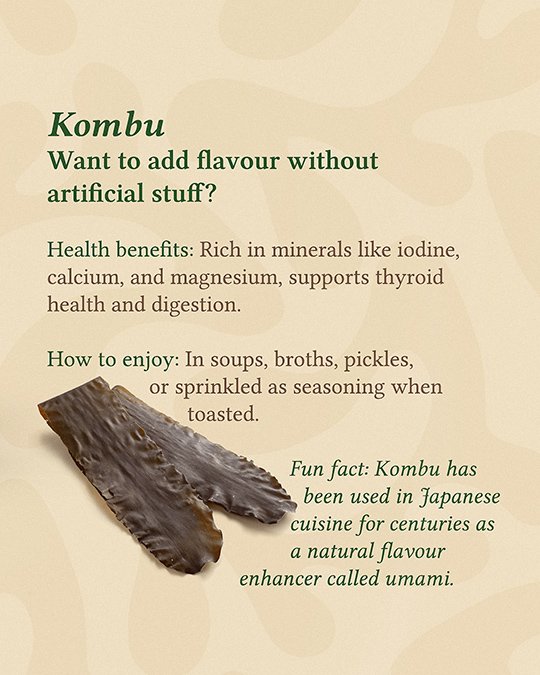
4. Kombu (昆布 / kombu)
Kombu is a type of seaweed often used to make dashi broth.
Health benefits: Rich in minerals like iodine, calcium, and magnesium, supports thyroid health and digestion.
How to enjoy: In soups, broths, pickles, or sprinkled as seasoning when toasted.
Fun fact: Kombu has been used in Japanese cuisine for centuries as a natural flavour enhancer called umami.
5. Yuzu (柚子 / yuzu)
A citrus fruit with a fragrant aroma, often used in sauces, drinks, and desserts.
Health benefits: Packed with vitamin C, antioxidants, and compounds that may support skin and immune health.
How to enjoy: Zest, juice, or yuzu-infused sauces to brighten salads, noodles, or drinks.
Fun fact: Yuzu is often added to hot baths in winter for a warming, aromatic experience called yuzuyu.
Final Thought 💚
These superfoods aren’t just healthy — they also show how Japanese cuisine blends nutrition, tradition, and taste. Whether you’re enjoying a bowl of natto for breakfast, sipping matcha in the afternoon, or adding a touch of yuzu to your salad, these ingredients bring a little wellness and mindfulness into everyday life.
Why not try one today? Your body (and taste buds) will thank you! 🌿✨